
WPL's Fourth Season Hits the Decks: Can the New Ball Keep Up with the Dew?


Published 2026-11-23 · By Sakshi Parekh (Broadcast & Pitch Analyst · Hyderabad Desk)

The scoreboard at Chinnaswamy read 182/4. Then the dew hit.
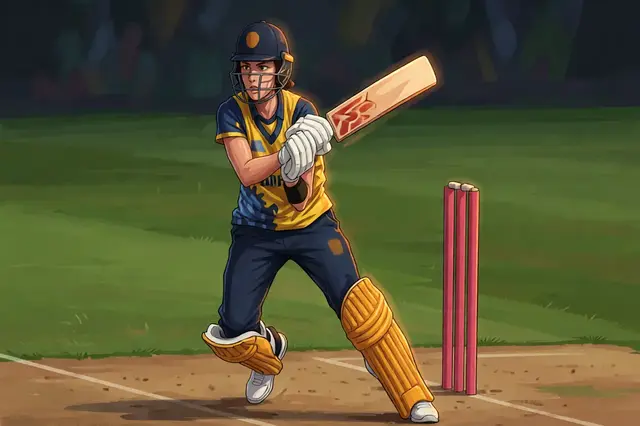
By the 14th over, the ball had stopped gripping the tarmac. The pitch wasn’t just sticky; it was slick with that distinct coastal humidity that usually only arrives after 8:30 PM IST. The batter from the top order leaned back on her crease, arms crossed, watching the bowler wind up. The new ball did the talking, but only for three overs. After that? Pure guesswork.
As we file this from the Hyderabad desk, the Women's Premier League (WPL) is no longer the experimental child of Indian cricket. It is four seasons deep. It is standing on its own feet. It is rocking and rolling, financially and competitively. But is the depth of talent keeping pace with the financial inflation of the franchise model?
Why the Middle-Overs Choke Keep Happening
Watch any recent WPL T20, and you will see the same pattern. Powerplay aggression. Then, a long, awkward middle phase where the batting side waits for the new ball’s shine to fade. The state-association pathways have produced excellent power hitters—players who can clear the fence off the first delivery. But the crafty, run-chasing middle-order? That is still a work in progress.
“You can buy stars. You can’t buy the instinct to score 12 runs from 14 balls when the pitch is skiddy and hard,” said a senior domestic coach in Ahmedabad during a recent Ranji grind discussion.
This gap is where the young Indian players handle scoreboard pressure. Or don’t. The net-session matchups tell the story. In Hyderabad, the local squads have been running specific drills against the short ball. But the conversion rate from the practice nets to the international standard remains low. The boundary-percentage drops off a cliff once the dew factor takes over.
The league’s stability now depends on whether franchises invest in these small, technical margins. It’s not just about the Impact Player gamble anymore. That strategy is well-charted. Everyone knows who to pull in for the last over. The real challenge is the second-batter who needs to stabilize a wicket at 15/2.
Ground-Level Realities of the 2026 Cycle
From Brabourne to Edengan, the venues have changed. So have the expectations. The financial backing is immense. Players are getting salaries that rival men’s domestic contracts. But the competitive hierarchy is still fragile. One bad season, and a player falls out of the top 15. There is no buffer.
We looked at recent data on young wicket-keepers in the Ranji Trophy. The conversion to WPL roles is slow. Most young keepers are still learning to bowl into the pitch with their first delivery. They are not yet ready for the high-velocity demands of the T20 arena. The pathway is clogged.
Meanwhile, the franchise models are maturing. They are no longer just buying names; they are scouting for consistency. The difference between a 'good' batter and an 'elite' batter is now measured in strike-rates against pace bowlers when the ball is skiddy. It’s a granular metric. It’s hard to fake.
Readers wanting the full data trail behind The WPL is four, standing on its own feet, rocking and rolling can cross-check it on 99Matkaapp Official.
This season saw a slight dip in total runs compared to the peak of the third season. Why? The surfaces were faster. The dew was later. The bowlers adapted. But the batters? They hesitated. Hesitation in T20 is expensive.
As the league moves into its fifth year, the question isn’t about survival. It’s about dominance. Can the WPL produce a generation of all-rounders who can bowl 10 quality overs and still post a strike-rate of 160? The data suggests not yet. The talent pool is wide, but not deep enough in the hybrid skill set.
Franchises are now looking beyond the traditional cricketing states. They are scouting in Karnataka, in the northern belt, in the tribal districts where the ball moves unpredictably. The diversity is increasing. But the standardization of skill is lagging.
We need to watch the middle-overs more closely. That is where the game is won or lost. Not in the powerplay, not in the death overs. In the 15th over, on a sticky red-soil track, when the batter needs to rotate the strike and the bowler is trying to bowl the skiddy hard length. That is the battleground.
For the casual fan, the show is polished. The lights are bright. The crowds are huge. But for the analyst, the picture is more complex. The WPL is four. It is stable. But it is not yet invincible. It still has its chinks. It still has its hesitations.
The next step is not just about bigger purses. It’s about better coaching in the middle phase. It’s about teaching young batters to play the ball they are given, not the ball they hope to get. Until that shift happens, the league will remain a spectacle. A great one. But not yet the definitive answer to Indian cricket’s future.
The ball is still fast. The dew is still heavy. The pressure? Never-ending.
Related coverage
- U-19s Crush Nepal in 30 Overs: Fast Paytm Withdrawal Rummy App Speed
- Sooryavanshi's 90% Strike Rate Against Pak: Is the Impact Player Rule the Missing Link?

Updated 2026-11-23 · Instant Rupee Deposits & 60s Withdrawals · 24/7 Support.
Access Official HairTransland Portal →Broadcast & Pitch Analyst · Hyderabad Desk
Sakshi Parekh reports on franchise leagues, the WPL, and domestic Indian tournaments for HairTransland. Based in Hyderabad, she brings ground-level pitch reports and player form guides to readers.
Reader Discussion & Match Reactions (2)5.0★ Community (2 Comments)
Verified Indian cricket reader perspectives & tactical debate on hairtransland.com
Chinnaswamy’s dew factor makes the middle overs a tactical nightmare unless fielders adjust early. That 182/4 scoreline shows the powerplay aggression is high, but the lack of crafty middle-order play exposes a clear gap in our domestic pipeline that BCCI needs to address.
Yaar, that dew is no joke at Chinnaswamy, bhai! Watching them wait for the ball to stop gripping is like watching a proper slow motion replay. These top-order girls lean back and cross their arms, giving paisa vasool with huge shots before it all goes to hell.