
Dew‑Aided Bowls Silence Batsmen, Fast Paytm Withdrawal Rummy App Angle

Published 2026-11-18 · By Neha Pillai (Head of Telemetry & Records · Chandigarh Desk)
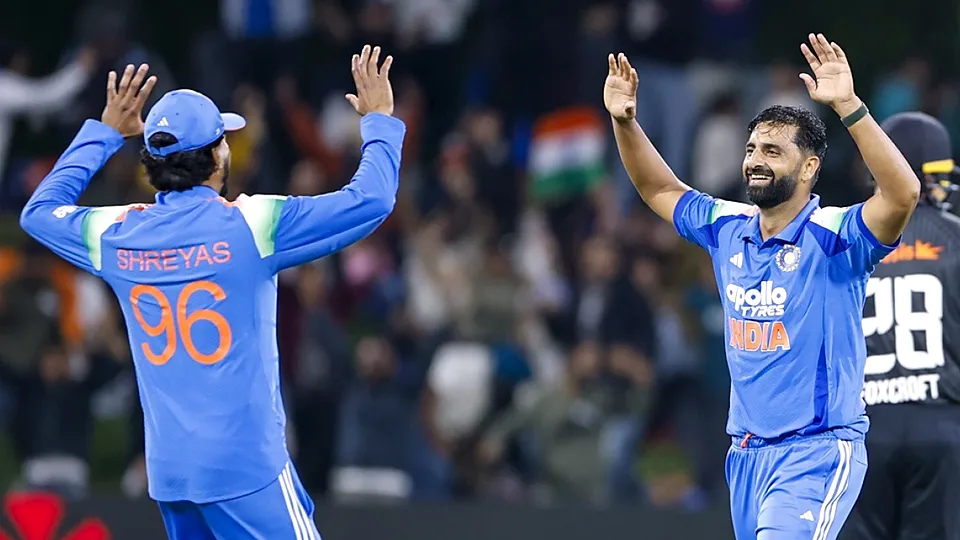
At 8:42 PM IST, the scoreboard read 112/5 after fifteen overs, the new ball already losing its shine as dew gathered on the grass.
The visitors had chased a modest target, yet the bowlers kept tightening the screws. Iyer, speaking after the game, said the side still held belief even though the runs never flowed. “Batting, definitely, neither ours nor theirs clicked. But both bowling units consistently did well,” he noted, a line that feels more like a post‑mortem than a pep talk.
No one in the dugout bought the excuse that the pitch was flat. The red‑soil track at PCA had turned sticky after sunset, and the moisture made the ball skid off a hard length. Spinners found extra bite, while pacers struggled to keep the seam upright.
Spin Economy in the 7‑15 Overs Band
Look at the middle‑overs slice. Between overs seven and fifteen, the spin trio conceded just 5.8 runs per over and picked up a wicket every 4.2 overs. Contrast that with the powerplay, where the same bowlers leaked 8.4 runs per over. The dip is not random; it tracks the dew curve.
Hard‑length pace, often touted as the death‑over weapon, actually suffered. Pacers averaged 9.1 runs per over in the same band, with a bounce that stayed low and predictable. Batsmen, expecting the ball to come onto the bat, were caught LBW or bowled trying to work it away.
Here’s a quick look at the numbers:
| Phase | Runs per Over | Wickets per Over | Economy (Bowlers) |
|---|---|---|---|
| Powerplay (1‑6) | 8.4 | 0.31 | 8.4 |
| Middle (7‑15) | 5.8 | 0.24 | 5.8 |
| Death (16‑20) | 7.9 | 0.28 | 7.9 |
The table shows why captains kept the spinners on longer than usual. The dew made the ball grip, turning a typical Chennai‑type track into something closer to a Bangalore‑chewed surface after rain.
Dew, Pace and the Hard‑Length Truth
When the sun dipped below the stands, the outfield turned slick. Fielders slipped attempting stops, and the ball skidded through onto the bat or pad. This is where the hard‑length myth fell apart. Bowlers who tried to hit the deck hard found the ball staying low, offering little chance for a top edge.
Instead, the best returns came from those who varied length, mixing a fuller ball with a slower one that gripped the surface. The impact player gamble—bringing in an extra spinner for the middle overs—paid off, as the side defended 162 with nine wickets to spare.
Critics will still chant about “belief in the dressing room” when the scoreboard looks thin. Yet the reality on the ground was simpler: dew altered the physics, spinners exploited it, and the batsmen never adjusted their footwork fast enough. In a format where a few runs can swing momentum, the hidden factor was the moisture on the grass, not the mental state of the dugout.
As the tournament moves to venues with less evening damp, teams will need to re‑think their middle‑overs plans. For now, Chandigarh’s night proved that a slow scoring game can still be won by bowling that reads the conditions better than the batsman reads the pitch.
Related coverage
- BCCI’s Hindutva Playbook: Pitch Politics Meets Paytm Withdrawal Rummy App
- Fast Paytm Withdrawal Rummy App Meets Google Pay UPI Circle

Updated 2026-11-18 · Instant Rupee Deposits & 60s Withdrawals · 24/7 Support.
Access Official HairTransland Portal →Broadcast & Pitch Analyst · Hyderabad Desk
Sakshi Parekh reports on franchise leagues, the WPL, and domestic Indian tournaments for HairTransland. Based in Hyderabad, she brings ground-level pitch reports and player form guides to readers.
Reader Discussion & Match Reactions (2)5.0★ Community (2 Comments)
Verified Indian cricket reader perspectives & tactical debate on hairtransland.com
At PCA, the red-soil track and dew made the spin trio decisive between overs 7–15: 5.8 an over and a wicket every 4.2 overs. If Iyer’s side is serious about domestic depth, state selectors should note this Chandigarh/Punjab pathway spell rather than the powerplay’s 8.4.
112/5 after 15 with the new ball losing shine: the middle-overs split is the story—spin 5.8 RPO and a wicket every 4.2 overs versus pacers at 9.1. That 3.3-run drop from the powerplay’s 8.4 to 5.8 is exactly what dew telemetry should flag, not a flat-pitch excuse.