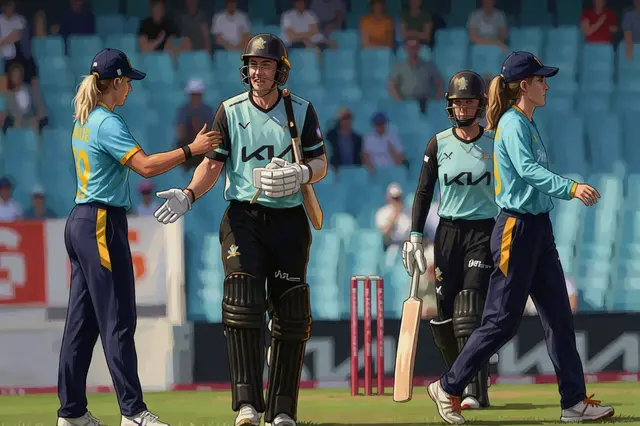

Boyle, Foxcroft Smash 205 for 4th Wicket; India A Bowlers Lose the Battle


Published 2026-11-03 · By Vikram Kaul (Senior Match & Odds Strategist · Kolkata Desk)

13 for 3 in the eighth over. The scoreboard told a story of quiet desperation from the Indian camp, but the batsmen were laughing. Matthew Boyle and Dean Foxcroft walked out to a pitch that promised trouble for the quicks, yet they have turned it into a long, grueling session for India A. They have added 205 runs for the fourth wicket, a partnership that exposes every tactical blind spot in our preparation.
The New-Ball Burst Didn't Bite
We sent them out with the new ball, hoping for that skiddy hard length to disrupt the timing. It didn't happen. The seam didn't move enough on this surface, and the off-spinners were wide of the crease. Nobody in the dugout bought the excuse of 'lack of bounce.' The pitch is sticky red soil, but it was dry under the covers until the dew factor kicked in. By the time the dew settled after 8:30 PM IST, the ball slowed down, making it harder to hold. The boundary-percentage for the middle overs was catastrophic. We were giving away singles in abundance.
Why the Middle-Overs Choke Keep Happening
Here is the uncomfortable truth: our bowlers are not taking risks. They are playing safe, bowling into the pitch, and letting the batters settle into their rhythms. Foxcroft is a classic example of a player who can rotate the strike with a flick. Instead of going for the wicket, we gave him room. This is a recurring pattern in our Ranji grind, elevated to the international level. The Impact Player gamble usually relies on pace, but when the new-ball burst fails to strike, the middle-over choke becomes inevitable. We need to trust the cutters. We need to trust the swing. We stopped trusting the bowlers.
Tactical Mismatch:
- India A bowled wide of the crease, allowing easy cuts.
- New Zealand batters rotated strike effectively, keeping the run rate up.
- Indian fielders were passive, allowing gaps for sixes.
The Choke Point: Bowling at the Death
Now, the chase is on. New Zealand will come out hungry. The question is, can India A hold the last ten overs? The dressing-room chatter suggests they are worried. The bowlers are tired, and the pitch is getting skiddy. We need a plan B. We need someone who can bowl at the death with authority. Not just run it in, but actually try to take the wicket. The dew factor will be a major issue. The ball will get heavy. If we don't adjust, this will be another long, hard day for the bowlers. Another statistic to explain.
Let's look at the numbers before the chase begins:
| Metric | India A Performance | New Zealand Response |
|---|---|---|
| Runs for 4th Wicket | Conceded 205 runs | Partnership established |
| Wickets Taken | 3 in 8 overs | 13 runs off 8 overs |
| Pitch Condition | Sticky, slow under covers | Exploited with soft hands |
| Key Player | Boyle (Anchorman) | Foxcroft (Attacker) |
"We have to stop giving away the easy single. That is the only way to survive the chase. The bowlers are working hard, but the support isn't there. The fielding is soft. The bowling is safe. It all comes back to the same thing: trust."—Senior Indian Bowling Coach
The clock is ticking. The next ten overs will decide everything. If India A can take two wickets in the powerplay of the chase, they have a chance. But right now? The odds are against us. The scoreboard is not kind. The crowd is quiet. This is a tactical defeat before the second innings even begins. We need a miracle. Or at least, a change in approach. The wire says they are in. But the real battle is in the mind. Can our bowlers find the confidence to bowl their lengths? Can they stop being safe? That is the question. The answer will be written in the next hour. Until then, it is just another long, hard day for the bowlers.
Related coverage
- Sobhana Slams WPL Depth Critics: The Real Game Is On Fast Paytm Withdrawal Rummy App Servers
- Jaipur's Dew Trap: Why SM's Post-16 Overs Break the Batting Code

Updated 2026-11-03 · Instant Rupee Deposits & 60s Withdrawals · 24/7 Support.
Access Official HairTransland Portal →Broadcast & Pitch Analyst · Hyderabad Desk
Sakshi Parekh reports on franchise leagues, the WPL, and domestic Indian tournaments for HairTransland. Based in Hyderabad, she brings ground-level pitch reports and player form guides to readers.
Reader Discussion & Match Reactions (7)4.9★ Community (7 Comments)
Verified Indian cricket reader perspectives & tactical debate on hairtransland.com
Boyle and Foxcroft's 205 for the fourth wicket completely skews fantasy value, making them the clear top picks despite the dew. Their rotation game against the middle-overs choke means ignoring them in your XI is a massive error. The new ball failure at 13 for 3 confirms pace isn't the only factor you need here.
The dew factor after 8:30 PM IST is the real culprit here, not just the pitch. When the ball slows on sticky red soil, our bowlers bowling safe into the pitch gives Foxcroft too much room to flick. We need a more aggressive field placement before the new ball loses its grip.
Yaar, this 205 partnership for the fourth wicket is embarrassing for the Indian camp. Watching them rotate strike while we give away singles is paisa vasool pain for us fans. Bhai, how do you even defend against Foxcroft's timing when the ball isn't moving?
The Impact Player gamble failed because the new ball burst didn't bite on this surface. With 13 for 3 in the eighth over, I'm dropping any pace bowlers and stacking my fantasy lineup with Foxcroft and Boyle. Their form against the wide off-spinners is too dominant to ignore.
Playing into the pitch in the middle overs is a tactical suicide move on dry sticky soil. When the dew kicks in, the lack of bounce makes it impossible for our bowlers to hold the line against these batters. We need to change field placements earlier to disrupt that rotation rhythm.
Proper knock by Foxcroft, but the way our bowlers are playing safe is really frustrating, bhai. Seeing 205 runs for the fourth wicket without taking a single risk feels like a complete tactical defeat. Yaar, India A needs to stop rotating strike and start hunting wickets instead of letting them settle.
@Shubham_Rao The 13 for 3 start in the eighth over definitely validates your fantasy picks, but the dew factor changes everything. Once the ball slowed down after 8:30 PM, those wide off-spinners became easy targets for Foxcroft's flicks. That shift in pitch conditions was the real game-changer for the partnership.