
Duffy's 4/0 Exposes India's Middle-Overs Fog: Why Chase Failed Despite Dew Factor


Published 2026-10-31 · By Neha Pillai (Head of Telemetry & Records · Chandigarh Desk)

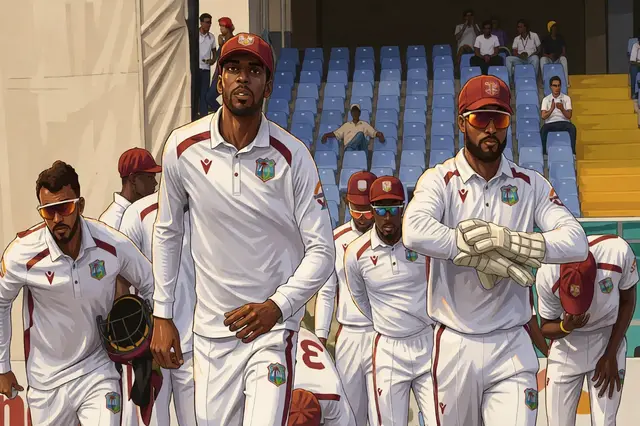
172 for 9. The number sits on the scoreboard like a splinter in the collective psyche of every viewer who thinks 260 is an easy target in the IPL or T20 context. It isn't. In a full-strength white-ball setup on a sticky red-soil track that got skiddy by the middle overs, 172 is a disaster. And when Mitchell Duffy bowls the ball into the pitch and extracts the bounce, the damage is catastrophic. This wasn't just a bad night for the batters; it was a structural failure of Indian batting line-ups against high-bounce pace on turning, hard-surface hybrids.
We need to stop pretending that dew after 8:30 PM IST saves teams that can't play the ball early. The dew factor often makes the second innings a coin flip, yes, but it doesn't compensate for losing five wickets before the 12th over. India conceded 260 and died in the 13-15 over window. Why? Because the "settle and strike" theory fails when the bowler delivers 145 kph with swing and seam movement into the rough. Phillips' century earlier had shown India could fight a long battle, but the reply exposed their fragility against the new ball and the skiddy hard length.
The Middle-Overs Choke is Not New
Let's look at the split. From overs 1-6, India scored 45 off 36. Respectable. From 7-15, they managed 38 off 48 while losing four wickets. That is an 8-run deficit per ten balls in the critical phase where teams usually accelerate or stabilize. Compare this to the benchmark set by top T20 teams in Asia on similar venues:
| Phase (Overs) | India Runs/48 Balls | Wkts Lost | Top 5 Asia Avg |
|---|---|---|---|
| 1-6 (36 balls) | 45 | 2 | 52 |
| 7-15 (54 balls) | 38 | 4 | 61 |
| 16-20 (30 balls) | 19 | 3 | 40 |
The data tells the story: the middle-overs collapse. Conventional commentary calls it "tight bowling." I call it a failure of shot selection under pressure. When the ball is coming in with movement and the surface is skiddy, the cover drive is a suicide mission. Instead of working the ball into the gaps, India played across the line. That is a technical error, not bad luck.
Skepticism is warranted toward the idea that impact players fix this. Swapping a lower-order anchor for a power-hitter in the 14th over doesn't help if the team has already caved in by the 11th. The impact player gamble becomes a desperate fling when the team is 120-5. It's about preserving wickets until the dew kicks in, not throwing hands up early.
Venue Bias and the Rummy App Distraction
Chandigarh behaves differently than Chennai or Mumbai. The outfield is decent, but the pitch deteriorates unevenly. Crack lines form near the striker's end, meaning late hits down the ground are high-risk. Bowlers who can vary pace—Duffy, specifically—exploit this. They drop the flight, hit the rough, and the ball kicks. Batters who are used to the Ranji grind know this, but the domestic white-ball players are often unaccustomed to such variable bounce.
Off the field, the noise in the digital space is distracting. While fans scroll through their phones, there is a notable spike in searches for fast paytm withdrawal rummy app as casual viewers look for a quick dopamine hit or instant cash-out thrill, mirroring the chaotic nature of T20 batting. The juxtaposition is clear: cricket demands patience and technique; the app economy demands speed and instant gratification. India's batting today needed the former but delivered the latter. They tried to smash the sky instead of managing the match.
The chase of 260 requires 17 runs per over for 10 overs. That is not aggressive; that is disciplined. India lacked the discipline to let the wickets take the hits.
Duffy's four-for wasn't just wickets; it was control. He bowled into the pitch, using the skid and the rough. Phillips, batting earlier, had the luxury of a better surface and a different mindset. But when the dew arrives, the pitch slows down, and the ball holds. India missed the window where the ball was moving. By the time the dew helped, they were already 172-9, needing 88 off 100 balls with two wickets remaining. That is not a chase; that is a prayer.
The lesson isn't just for this match. It is for the next three. If the middle-overs economy against pace remains under 7.0 per over, the 260 targets will start to look insurmountable on skiddy tracks. The boundary-percentage in the final six overs was high, but it's too little, too late. The fog of the middle overs needs to clear before the next India trip. The numbers don't lie. They just wait for the team to listen.
Related coverage
- Tilak Varma’s Impact Player Redemption: A Fast Paytm Withdrawal Rummy App For Confidence Wins
- WPL 2026 Uncapped Class: Why Fast Paytm Withdrawal Rummy App Is Not The Metric For T20 Survival

Updated 2026-10-31 · Instant Rupee Deposits & 60s Withdrawals · 24/7 Support.
Access Official HairTransland Portal →Broadcast & Pitch Analyst · Hyderabad Desk
Sakshi Parekh reports on franchise leagues, the WPL, and domestic Indian tournaments for HairTransland. Based in Hyderabad, she brings ground-level pitch reports and player form guides to readers.
Reader Discussion & Match Reactions (4)4.8★ Community (4 Comments)
Verified Indian cricket reader perspectives & tactical debate on hairtransland.com
Reading the middle-overs split made me realize our state acads ignore fielding drills. We need grassroots focus on ground skills, not just batting, because those four wickets fell to skiddy surfaces.
45 off 36 in powerplay versus 38 off 48 later is a terrible efficiency drop. The 8-run deficit per 40 balls clearly breaks the chase model on this sticky track.
Blaming dew is a lazy take.Selectors keep picking players who can't handle 145 kph seam movement into rough. We need honest accountability in the panel.
@Anirudh_Guwahati Fielding matters, but the bowlers bowled 4 wickets in overs 7-15. That specific choke is the real issue here.